|
5
min read
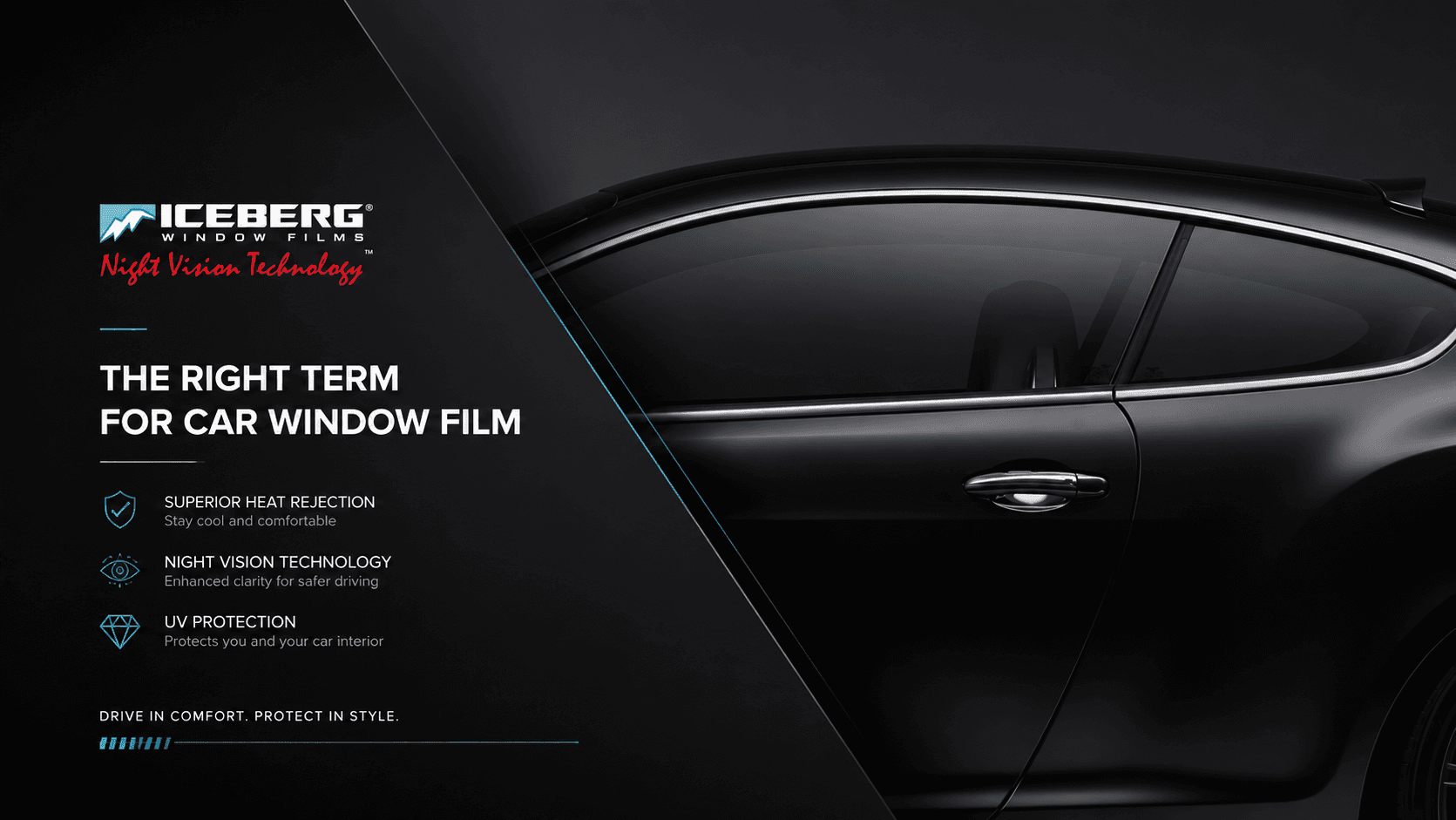
Understanding Window Film Technology with Iceberg With Night Vision Technology
In today’s driving experience, window film is no longer just an accessory for your vehicle. Modern window film technology provides advanced protection, enhances cabin comfort, and improves the overall appearance of your car. Choosing the right window film has become an essential part of creating a safer and more premium driving experience.
With so many brands and specifications available in the market, understanding the terminology used in window film products is extremely important. These terms help you determine the performance, protection level, and comfort offered by each product.
Why Understanding Window Film Terms Matters
Every window film product comes with different technologies and performance levels. By understanding the key specifications, you can choose a product that perfectly matches your driving needs, climate conditions, and desired vehicle appearance.
A high-quality window film should not only improve aesthetics, but also provide maximum heat rejection, UV protection, and driving comfort for everyday use.
Important Window Film Terms You Should Know
Darkness Level
Darkness level refers to the tint percentage of the window film. The higher the percentage, the darker the film and the less visible light enters the cabin.
For front windshields, it is recommended to use a darkness level below 40% to maintain optimal visibility, especially during nighttime driving.
Ultra Violet Rejection (UVR)
UVR measures how effectively the window film blocks harmful ultraviolet rays from sunlight.
A higher UVR percentage means better protection for:
Vehicle interior
Skin protection
Dashboard and upholstery durability
Total Solar Energy Rejection (TSER)
TSER indicates the total amount of solar heat energy rejected by the window film.
The higher the TSER value:
The cooler your cabin feels
The less heat enters the vehicle
The more comfortable your driving experience becomes
Infrared Rejection (IRR)
Infrared radiation is one of the primary causes of heat inside a vehicle.
IRR measures the film’s ability to reject infrared heat. Higher IRR percentages provide:
Better cabin cooling
Reduced heat buildup
Improved driving comfort under direct sunlight
Visible Light Transmission (VLT)
VLT refers to the percentage of visible light that passes through the window film.
Lower VLT percentages create a darker appearance and reduce the amount of sunlight entering the vehicle.
Premium Protection with Iceberg With Night Vision Technology
One of the recommended solutions for modern vehicle protection is Iceberg With Night Vision Technology.
Designed with advanced fourth-generation nano carbon technology, Iceberg delivers superior performance compared to conventional window films. Selected series offer:
Up to 82% TSER performance
Up to 99% Infrared Rejection
Enhanced driving comfort
Better heat reduction
Elegant premium appearance
Iceberg With Night Vision Technology is engineered to provide maximum protection against harmful solar radiation while maintaining visibility and driving comfort throughout the day and night.
For drivers who prioritize comfort, protection, and premium aesthetics, Iceberg With Night Vision Technology delivers a modern window film solution built for today’s driving needs.